

Chronic Inflammation: What It Is, What Causes It, and How to Lower It
Inflammation is the body healing itself. Chronic inflammation is the healing process turned against the body. It drives most of the major chronic diseases of the modern era.
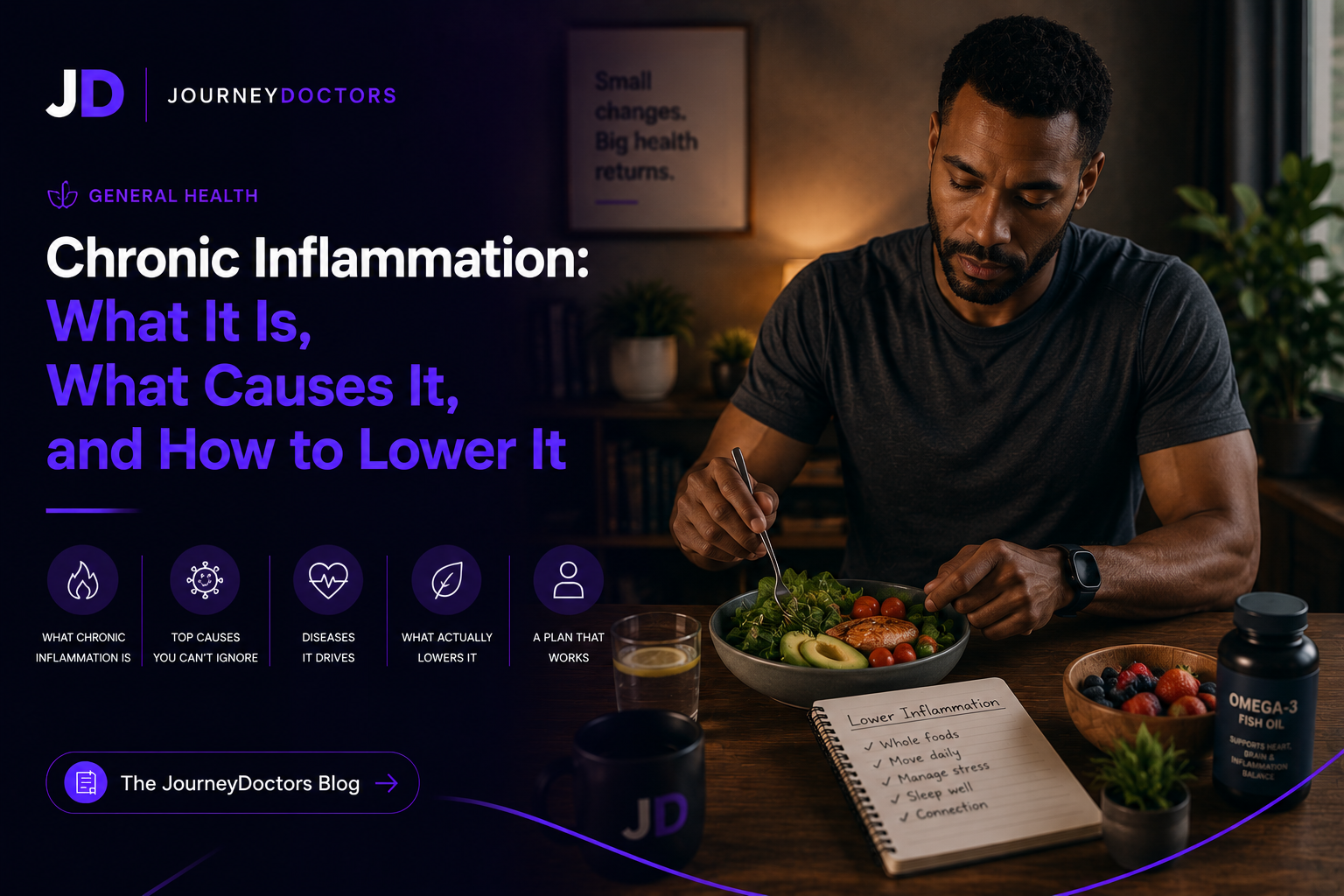
Chronic inflammation is one of the most significant and least discussed drivers of modern disease. As an internist, I care for patients with type 2 diabetes, cardiovascular disease, metabolic syndrome, and autoimmune conditions daily. These conditions look different on the surface, but they share a common underlying thread: chronic, low-grade systemic inflammation that has been present for years, often without any obvious symptoms, before the clinical condition becomes apparent. Understanding what chronic inflammation is, what drives it, and how to reduce it gives you real leverage over your long-term health in a way that symptom-focused thinking does not.
Inflammation has a critical protective role in the body. Acute inflammation is the response to injury or infection: blood flow increases to the affected area, immune cells migrate in, and the process of repair begins. This is exactly what is supposed to happen. You cut your finger, it becomes red and swollen for a few days, and then it heals. Chronic inflammation is categorically different: it is persistent, low-grade, and systemic, operating below the threshold of obvious symptoms while driving molecular damage across multiple organ systems simultaneously.
What Chronic Inflammation Is
In chronic inflammation, the immune system is perpetually activated at a low level. Inflammatory mediators, particularly cytokines such as interleukin-6, tumor necrosis factor-alpha, and C-reactive protein, circulate at elevated levels and affect distant tissues and organs. This sustained immune activation is associated with damage to blood vessel walls, impaired insulin signaling, neuronal damage, and disruption of normal cellular function.
The distinction between acute protective inflammation and chronic pathological inflammation is important because many people hear "anti-inflammatory" and think about reducing the body's ability to heal. That is not what we are discussing. Reducing chronic low-grade systemic inflammation does not impair the acute healing response. It reduces a background state of immune activation that the body is not supposed to be in persistently and that causes cumulative damage when it is.
Diseases Driven by Chronic Inflammation
The list of conditions with chronic inflammation as a central mechanism is long and includes many of the most significant causes of death and disability globally. Cardiovascular disease involves chronic inflammation of the arterial wall; atherosclerotic plaques are fundamentally inflammatory lesions. Type 2 diabetes involves chronic inflammation impairing insulin receptor signaling. Obesity is an inflammatory state driven by adipokines released from excess adipose tissue. Alzheimer's disease involves chronic neuroinflammation driven by the brain's immune cells (microglia). Depression is associated with elevated inflammatory markers, and there is strong evidence that cytokines directly affect mood and cognition. Cancer involves chronic inflammation creating a permissive environment for tumor initiation and growth. Autoimmune conditions such as rheumatoid arthritis, lupus, and inflammatory bowel disease are driven by dysregulated inflammation targeting the body's own tissues.
This does not mean inflammation causes all of these conditions in isolation. These are complex diseases with multiple contributing factors. But inflammation is a consistent thread across all of them, and reducing the inflammatory burden reduces risk across multiple domains simultaneously, which is one of its most clinically valuable properties.
What Causes Chronic Inflammation
JourneyDoctors
Not sure if this applies to you?
Describe your symptoms to Dr. Maya — our AI GP — and get a real clinical response in under a minute. Free to start.
Talk to Dr. MayaDiet
The modern Western diet is probably the single largest driver of chronic inflammation in the general population. Ultra-processed foods, refined carbohydrates, added sugars, industrial seed oils high in omega-6 fatty acids, and trans fats all promote inflammatory signaling. Red and processed meat consumption is associated with elevated inflammatory markers. Excess caloric intake, regardless of macronutrient composition, drives inflammatory adipokine production as fat stores accumulate.
Conversely, the dietary pattern most consistently associated with lower inflammation in the research literature is the Mediterranean diet, characterized by high consumption of vegetables, fruits, legumes, whole grains, olive oil, fish, and moderate amounts of red wine, with limited processed foods and red meat. This pattern is associated with lower CRP, interleukin-6, and other inflammatory markers, and lower rates of cardiovascular disease, diabetes, and cognitive decline across multiple large prospective cohorts.
Excess Body Fat
Adipose tissue is not metabolically inert. Fat cells, particularly visceral fat around the abdominal organs, actively secrete inflammatory cytokines including leptin, resistin, and tumor necrosis factor-alpha, while producing less of the anti-inflammatory adiponectin. This is why abdominal obesity is a more important risk factor for cardiometabolic disease than total body weight or BMI alone. Waist circumference is a better predictor of inflammatory burden and metabolic risk than BMI, and it is the measurement I pay closest attention to in metabolic assessment.
Physical Inactivity
Regular exercise is anti-inflammatory. Muscle contraction produces myokines, cytokines released by muscle tissue during exercise, that have systemic anti-inflammatory effects and mediate many of the health benefits of physical activity. Sedentary behavior, in contrast, allows the inflammatory cascade driven by excess adipose tissue to go unchecked and removes the anti-inflammatory benefit of muscular contraction. The effect of exercise on inflammation is visible on blood tests: regular exercisers have measurably lower CRP and interleukin-6 than sedentary individuals matched for other variables.
Sleep Deprivation
Poor or insufficient sleep activates the inflammatory response. Even a single night of four hours of sleep significantly elevates inflammatory cytokines. Chronic sleep restriction below seven hours is associated with sustained elevation of CRP and interleukin-6 that compounds over time. Sleep is when many of the restorative anti-inflammatory processes in the body occur, including immune regulation and cellular repair. This is one of the mechanisms through which chronic sleep deprivation increases cardiovascular, metabolic, and cognitive disease risk.
Chronic Psychological Stress
The stress axis, involving the HPA (hypothalamic-pituitary-adrenal) axis and cortisol, has direct effects on immune function. While acute stress activates anti-inflammatory glucocorticoid signaling, chronic stress leads to glucocorticoid resistance in immune cells, paradoxically elevating rather than reducing inflammation. Adverse childhood experiences (ACEs), chronic occupational stress, caregiving burden, and social isolation are all associated with elevated inflammatory markers, and the mechanisms include both direct HPA axis effects and indirect behavioral effects (worse diet, less exercise, more substance use).
Gut Microbiome Dysbiosis
The gut hosts a complex ecosystem of microorganisms that has profound effects on systemic inflammation. Dysbiosis, an imbalance in gut microbial composition, is associated with increased intestinal permeability, allowing bacterial products such as lipopolysaccharide to enter systemic circulation and trigger inflammatory signaling. Diet is the primary driver of microbiome composition. Ultra-processed foods, low fiber intake, antibiotic use, and chronic alcohol consumption all shift the microbiome toward more pro-inflammatory compositions.
Environmental Exposures
Chronic exposure to air pollution, particularly fine particulate matter (PM2.5), activates systemic inflammatory pathways and is associated with increased cardiovascular and respiratory disease risk. Occupational exposures to certain chemicals, heavy metals, and particulates have similar effects. Tobacco smoke is one of the most potent inflammatory exposures available, which is a large part of why smoking affects so many different organ systems.
Measuring Inflammation
Several blood tests reflect the inflammatory state. C-reactive protein (CRP), particularly the high-sensitivity CRP (hs-CRP), is the most commonly used clinical marker. Levels below 1 mg/L reflect low cardiovascular inflammatory risk; 1 to 3 mg/L is intermediate; above 3 mg/L is elevated. Erythrocyte sedimentation rate (ESR) is a less specific marker used more in the context of autoimmune or infectious evaluation. Interleukin-6 and other cytokines can be measured in research contexts but are not routine clinical tests. Fibrinogen and homocysteine are also inflammatory markers with cardiovascular relevance.
A CRP drawn when you are well (not during an acute illness, which would make it transiently very high) gives a meaningful picture of your background inflammatory state. If it is elevated without an obvious cause, that is clinically relevant information that warrants investigation and lifestyle attention.
How to Reduce Chronic Inflammation
The interventions with the strongest evidence for reducing systemic inflammation are: shifting to a Mediterranean-pattern diet, achieving and maintaining a healthy weight with particular attention to waist circumference, engaging in regular aerobic and resistance exercise (at least 150 minutes of moderate-intensity activity weekly), optimizing sleep to seven to nine hours consistently, managing chronic psychological stress through active strategies, and not smoking. These interventions are not glamorous, they do not require supplements or specialized products, and they work through overlapping mechanisms that collectively represent the most powerful anti-inflammatory toolkit available.
Omega-3 fatty acid supplementation from fish oil has modest evidence for reducing inflammatory markers and is a reasonable addition for people who do not consume fatty fish regularly. Curcumin, the active compound in turmeric, has anti-inflammatory properties in vitro and in some small trials but has poor bioavailability in standard supplement form; its clinical significance at typical doses is uncertain. Anti-inflammatory medications such as low-dose aspirin and statins have anti-inflammatory properties beyond their primary indications, but these are clinical decisions to be made with a physician rather than self-directed choices.
When to See a Doctor
If you have been checked and found to have elevated CRP without obvious explanation, or if you have risk factors for the conditions discussed here and have not had an inflammatory workup, discussing this with a physician is appropriate. A JourneyDoctors internist can review your labs, assess your overall inflammatory burden, and recommend a personalized approach to reducing it. Consultations start at $19.
Disclaimer: This article is for educational purposes only and does not constitute medical advice. Always consult a qualified healthcare professional for diagnosis and treatment of any medical condition.
Get proper care
Ready to speak with a specialist?
If anything in this article sounds familiar, the right next step is a proper evaluation. JourneyDoctors connects you with a specialist in minutes. Consultations from $19.
See a specialist nowFrequently Asked Questions
How do I know if I have chronic inflammation?
Many people with chronic inflammation have no symptoms. The most direct way to assess it is through blood tests, particularly high-sensitivity CRP. Symptoms that sometimes accompany chronic inflammation include persistent fatigue, recurrent illness, unexplained joint pain, difficulty losing weight despite adequate effort, and brain fog. These are non-specific, but in combination with a lifestyle that includes multiple inflammatory drivers, they make checking for elevated inflammatory markers worthwhile.
Do anti-inflammatory supplements work?
The supplement market vastly overstates the evidence. Fish oil (omega-3) has the most consistent evidence and is a reasonable supplement for people who do not eat fatty fish regularly. Curcumin has anti-inflammatory effects but bioavailability is poor without specific formulations. Most other marketed anti-inflammatory supplements have insufficient evidence to recommend. Lifestyle interventions have far stronger evidence than any supplement currently available.
Is an anti-inflammatory diet the same as eating clean?
Not exactly. "Eating clean" is a loosely defined term without a consistent clinical meaning. An anti-inflammatory dietary pattern is defined by the research: predominantly plant-based, high in omega-3 fatty acids from fish and nuts, rich in fiber from vegetables, legumes, and whole grains, low in ultra-processed foods, refined sugars, and industrial seed oils. The Mediterranean diet is the most evidence-supported pattern and is the reference point used in most inflammation research.
Can medications reduce chronic inflammation?
Yes. Statins have anti-inflammatory effects beyond cholesterol lowering. Low-dose aspirin reduces prostaglandin-driven inflammation. NSAIDs reduce acute inflammation but chronic NSAID use has its own risks including gastrointestinal and renal toxicity. Disease-modifying anti-rheumatic drugs (DMARDs) and biologics are used for autoimmune inflammatory conditions. These are all clinical decisions; none should be self-prescribed for chronic inflammation without physician evaluation.
Does stress really cause inflammation?
Yes, through documented mechanisms involving the HPA axis, glucocorticoid resistance in immune cells, and behavioral pathways including disrupted sleep, poor diet, and inactivity. The magnitude of the effect depends on the severity and chronicity of the stress, individual resilience factors, and concurrent lifestyle variables. Stress management is a legitimate component of addressing chronic inflammation, not a soft lifestyle recommendation.
Written by
Dr. James Okafor
Internal Medicine